According to the data analytics specialists at GlobalData, health and wellness has been the most powerful megatrend influencing consumer behaviour worldwide since the first quarter of 2021. The forces contributing to the trend are myriad: the ongoing destigmatisation of mental health issues, increased understanding of the correlation between environmental protection and human wellbeing, and greater appreciation of one’s own physical health all work together to make health and wellness a top priority.
The beverage market must adapt to constantly changing requirements as external factors influence and shape consumer priorities. A recent example of this is the rise of health and wellness as a key selling point over the past several years.
For the beverage industry, that means: adapting products, driving innovation and responding to consumer demand. An analysis conducted by the market research firm Mintel from November 2024 through October 2025 shows that this adaptation of products is already underway in Europe. For instance, 44 per cent of the new beverages launched during the study period promise a daily energy boost.
But the notion of health and wellness is not limited to the health-promoting characteristics of foods. For many consumers, ethical and sustainable production is equally as important because it makes them feel better about their purchases. Customer demands have led to developments in beverage production that meet the need for healthy, responsible consumption.
That extra something: functional drinks
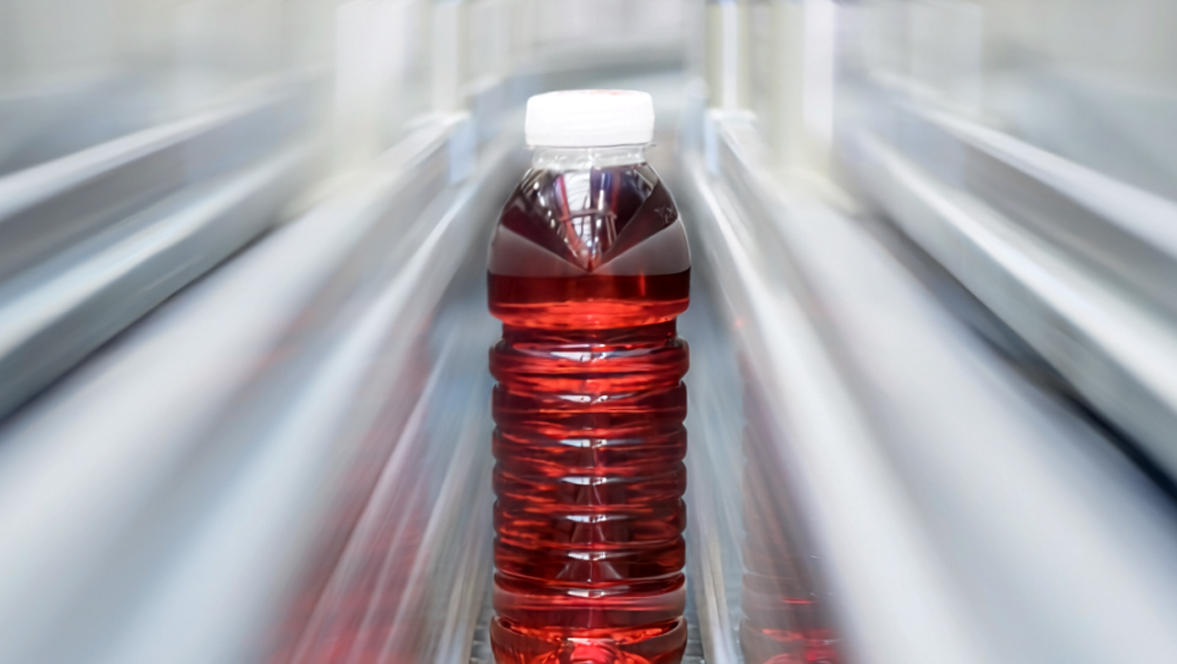
This focus on health and wellness is driving the rising popularity of functional drinks. Enriched with minerals or other ingredients, they promise to improve physical and mental wellbeing. According to GlobalData, beverages with high protein content, added fibre or electrolytes are especially popular. These constituents are meant to balance the metabolism and thus promote better health. Some functional drinks also contain supplemental ingredients that promise to improve daily energy levels, concentration or sleep quality. And so, there is a product to meet every need.
A survey conducted by GlobalData in the first quarter of 2025 reveals that mental health, stable energy levels and good digestion are a particular focus for consumers. In order to meet the varied needs of consumers, functional drinks are finding a foothold in a wide range of beverage categories. In particular, beverage manufacturers are increasingly launching functional sports drinks and energy drinks designed to enhance physical and mental performance and provide consumers with increased energy in their day-to-day lives. But soft drinks, water, juices and iced coffee, too, can be enriched with vitamins, electrolytes, proteins or other supplements, thus making them functional drinks as well.

“Functional drinks” is a diverse category that opens up a wide range of possibilities: refreshment, taste and function can be combined in innovative products. Specific health claims speak to specific consumers directly. As a result, functional drinks also serve a second megatrend: individualism and expression. This megatrend is all about how well a product fits with a person’s individual needs.
Beverage packaging is also adapted to the drinks’ function. For example, sports drinks need to be easy to carry and open so athletes can use them quickly and effortlessly during their activity. Adding this level of convenience to functional drinks means they fit the easy and affordable megatrend as well. So it’s no wonder that this all-rounder is gaining popularity. And there is yet another trend that is benefitting from consumers’ focus on health and wellness.
Clean label: knowing what’s inside
Transparency is the name of the game when it comes to “clean label” products. The packaging is often minimalistic, with little writing on it at all. In fact, in the case of juices or smoothies, the label might simply depict an image of the fruit from which the product is made. Consumers see the ingredients at a glance. The desire for such clear communication is simple: consumers increasingly want to avoid artificial additives, preferring instead to reach for natural products. In other words, “clean” refers not only to the packaging but to the contents as well.
The desire for natural products with a short list of ingredients stems from consumers’ heightened awareness of their own health and of their responsibility for the environment. Ethical questions, too, are playing an ever-more important role in consumer choices. More and more, people are choosing products that they perceive as healthy, sustainable and fairly made. A clear list of ingredients is therefore imperative, and “clean labels” are becoming increasingly popular among manufacturers and customers alike.
Besides health and wellness, clean labels serve two additional megatrends. Comfort and uncertainty play an important role as consumers give preference to products that they perceive as trustworthy. Transparent, easy-to-understand communication makes them feel better about buying a product. Sustainability and ethics are also not to be overlooked, given the natural ingredients that make up clean-label drinks. Sustainable, natural and fair: Those are the characteristics that people associate with this drinks category.
Fortified, alkaline or all-natural: Krones offers many options for producing water
From functional waters to pure and simple natural water, Krones has the technologies to help its customers meet the complex demands of today’s consumers. One solution whose repertoire includes the production of functional water is the Hydronomic MDS (mineral dosing system), a module within the water treatment portfolio that enables producers to enrich their water with precise quantities of various minerals, flexibly adapting to individual formulas. As a result, beverage makers can produce different water varieties that meet a wide range of needs and fit right into the “functional drinks” category.
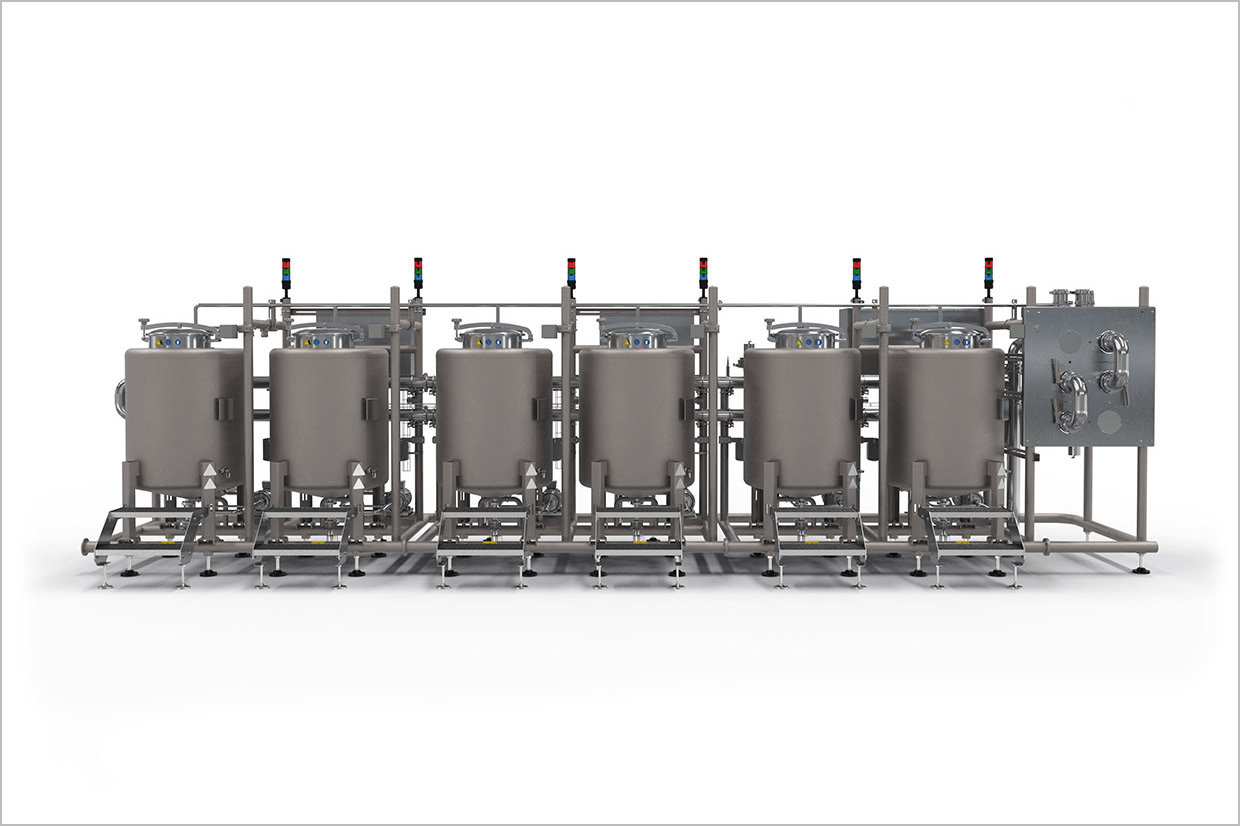
The Hydronomic MDS is not the only technology supporting the healthy-beverage trend. Krones offers an ioniser for producing alkaline water. Said to restore the acid-base balance within the body and thereby promote physical wellbeing, alkaline water is also a popular remedy for heartburn.
The Hydronomic MDS and the ioniser are modules belonging to the Hydronomic water treatment system, whose usefulness extends well beyond the production of functional water. Those wanting a purely natural product can also use the system to produce conventional waters with low or even no added minerals. Hydronomic likewise prepares brewing liquor and process water as well as water to be used as the base for juices, soft drinks and other beverages. In this way, Krones helps its customers meet the disparate needs and wants of consumers.
A trend for the future
Beverages with health claims and healthier alternatives to conventional drinks have already become a fixture in daily life. Whether they are sugar-free, made from all-natural ingredients or fortified with specific vitamins, these beverages have long since been more than mere hydration. And current market analyses suggest that health-promoting products will remain a top choice among consumers in the years to come. The health and wellness megatrend is not expected to lose momentum or importance any time soon and will continue to play a significant role in shaping the future of the beverage industry.