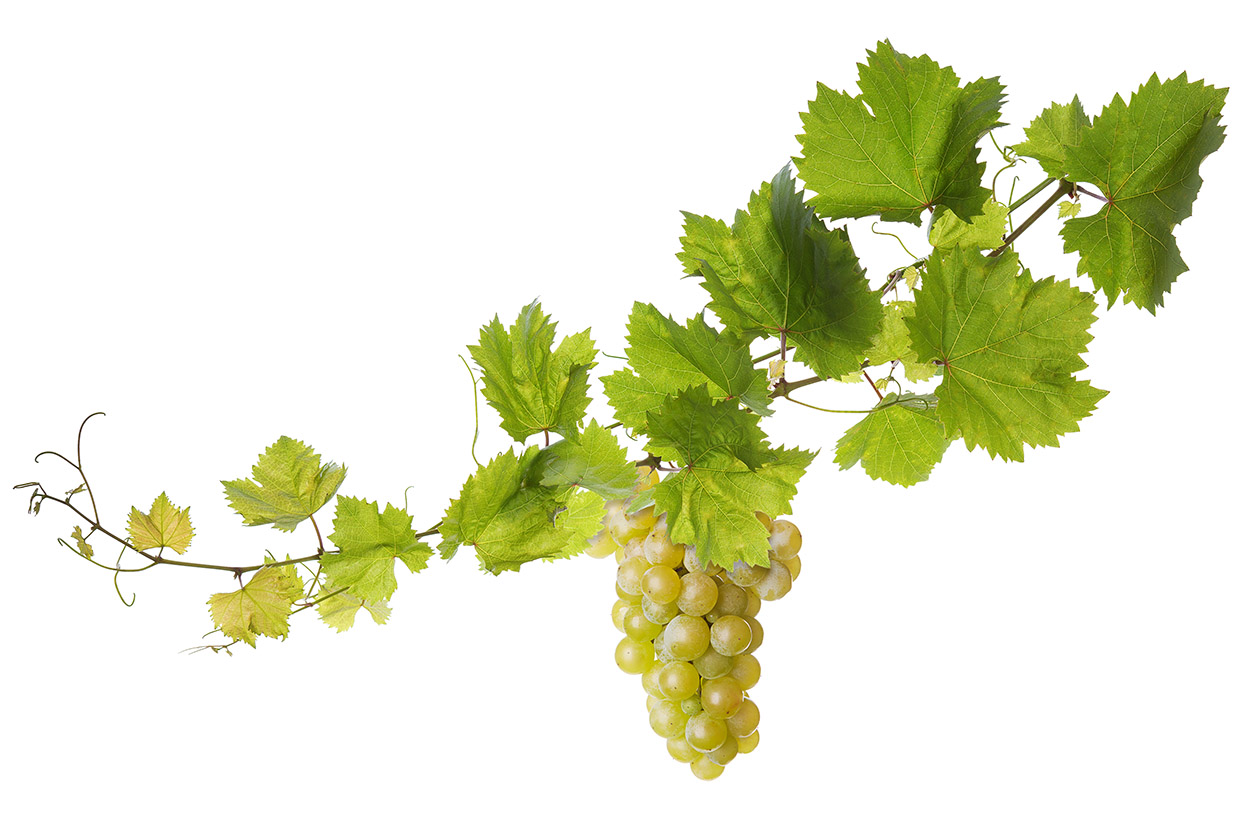
Although biotechnological processes only began to be investigated at scientific level in the 19th century, they have been with humans for over 5,000 years. Bread and wine are among the oldest products to be made using such processes. To obtain wine, for instance, ripe grapes are pressed and fermented: Wild yeasts found on the skin of the grapes ferment the sugar contained in it, also known as glucose, into alcohol. Essentially, a substrate enters a biochemical reaction with an enzyme, resulting in a new product.
For most people, ‘bioprocessing’ often sounds like a modern invention. Yet people have been using biotechnological processes in the production of food for thousands of years already. Nowadays, a wide range of industries employ methods of bioprocessing.
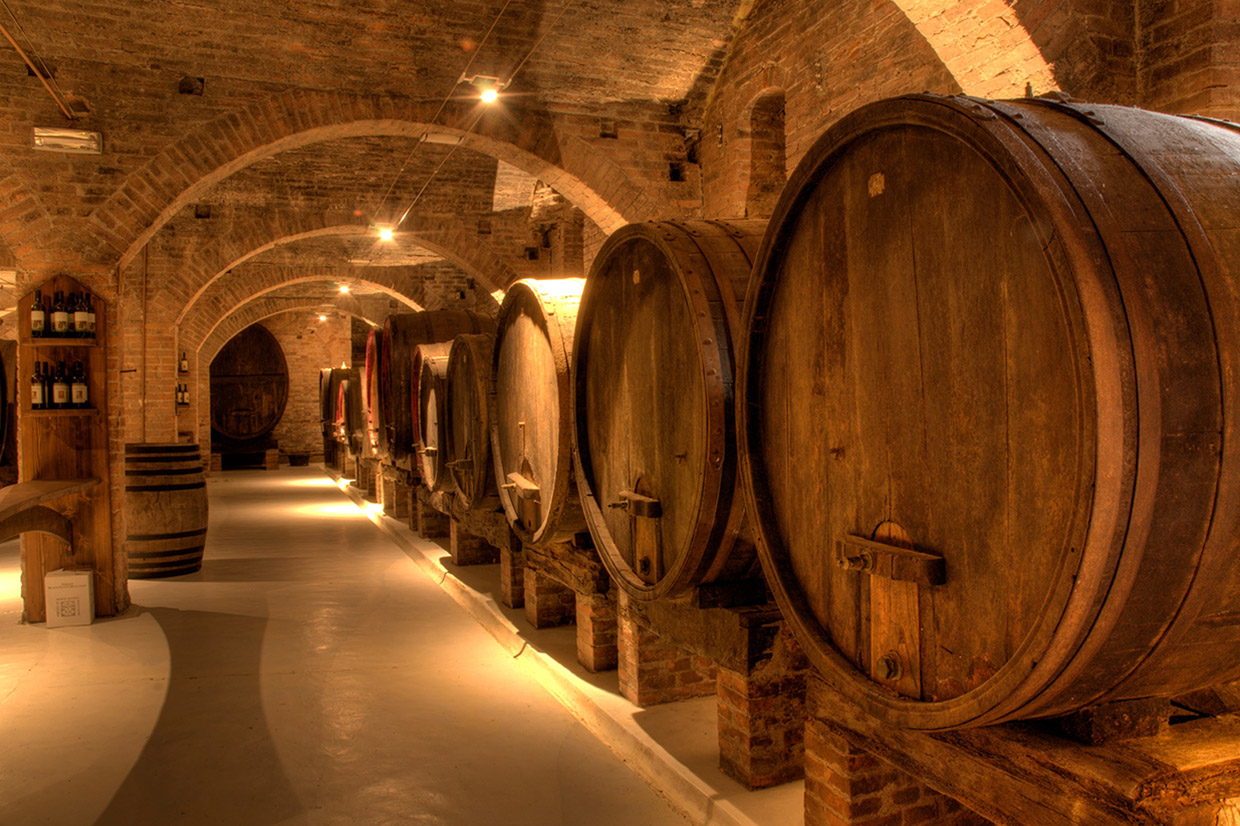
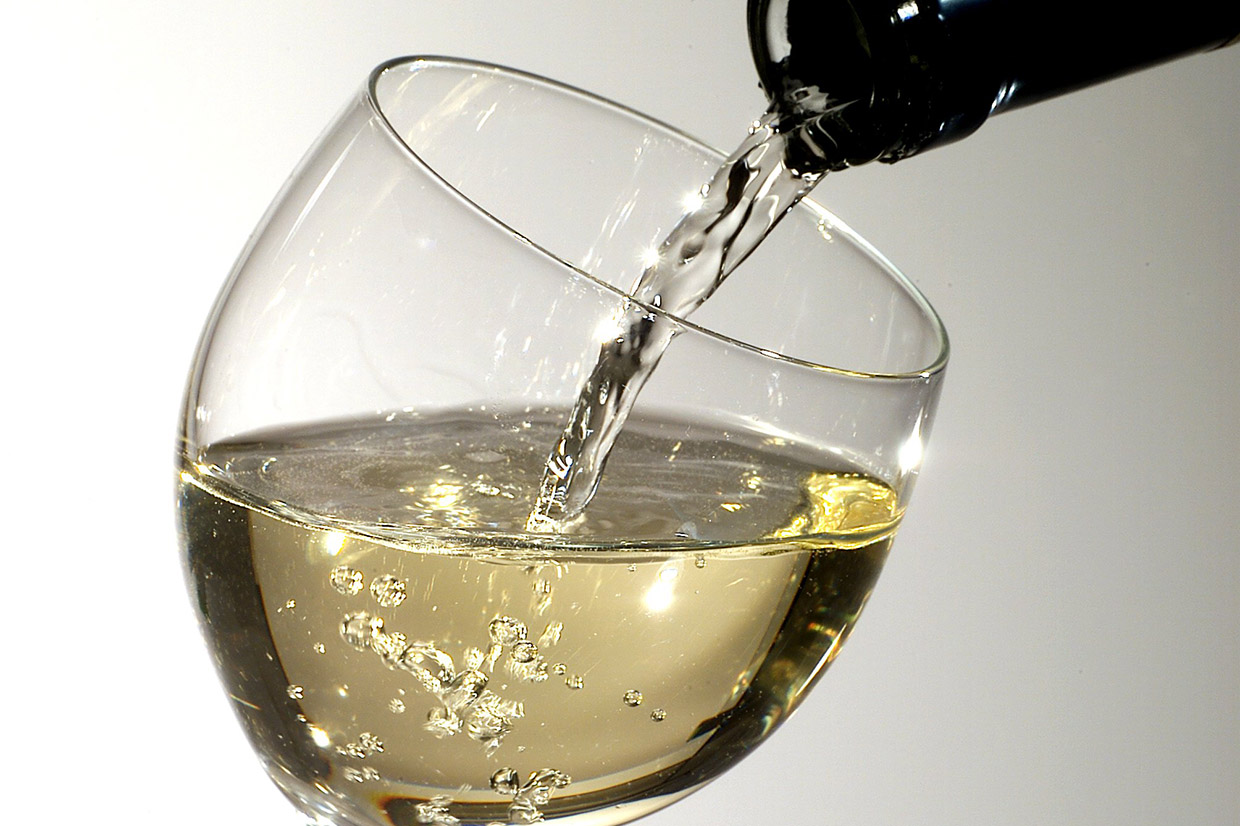
Alongside the production of wine and bread, the brewing of beer is also regarded as one of the oldest biotechnological applications. At first, people did not understand what was behind the process. They did know, however, that the brewed beer tasted better if there was a bakery next to the brewery. The yeasts used in baking bread also seemed to assist the fermentation process for beer. With the advent of microbiology, it became possible to discover and get a better understanding of the chemical reactions involved in these processes.
Learning from the brewing process
A lot has happened in the bioprocessing sector since the 19th century. Thanks to scientific research into individual enzymes and the development of bioreactors, for instance, it is now possible to safely replicate these natural biological processes on an industrial scale. The parameters determined for the biotechnological process play a key role here. Among others, these include the process time, aeration and the temperature within the bioreactor. If all these variables are adjusted appropriately, the desired product is created. This can be illustrated using beer as an example. Different types of beer can be produced depending on water hardness, fermentation temperature or type of hops, even though the underlying brewing process is always similar.
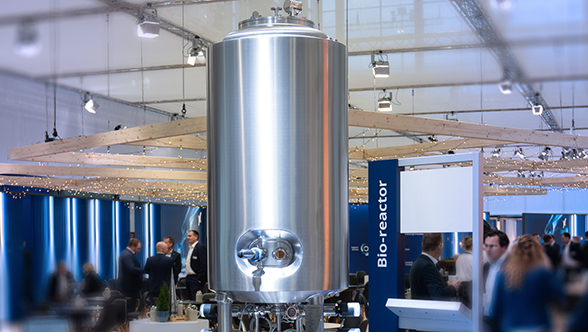
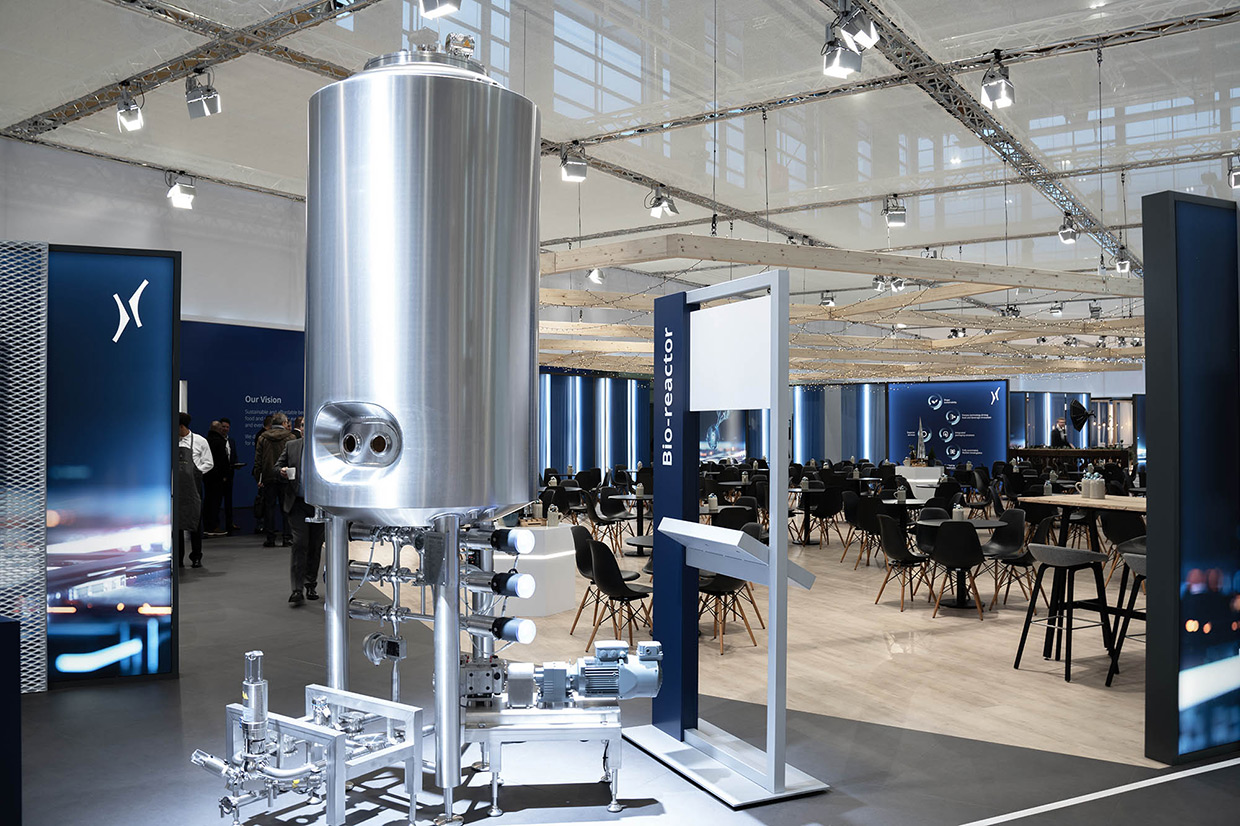
It is precisely this expertise that the team at Steinecker, a subsidiary of the Krones Group, offers – and has done so for the last 150 or more years. With its long-standing experience in brewing technology, it is familiar with a large number of biotechnology principles – and a few years ago it began also applying this to the production of other food and beverages through bioprocessing. The first bioreactor for the manufacture of fermented products was introduced in 2023.
The colours of biotechnology
The bioreactor is suitable not only for the manufacture of alternative proteins, but also for many other processes across a wide range of industries and sectors. These are known as “colours of biotechnology”, with each colour representing a specific field of bioprocessing. For the Krones Group, there are six colours to focus on in the long term.
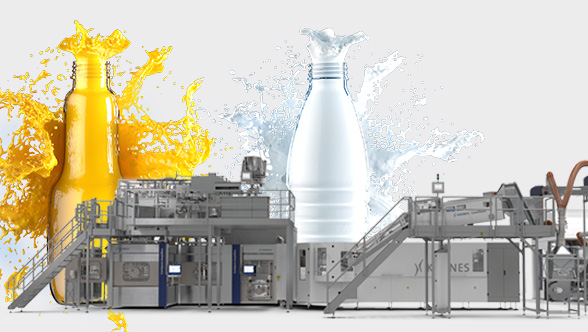
As an international technology group in the beverage industry, the Krones Processing Team is primarily involved in the yellow biotechnology area. However, the Group also already offers solutions for industrial and agricultural technology. The reason is simple: The colours of biotechnology are not being regarded as strictly separate, but rather a sort of cluster. The individual areas can overlap and are mutually related.
The close relationship between the different biotechnologies is also evident in Krones' target picture. The vision of “sustainable and affordable beverages, foods and goods for our daily needs for everyone and everywhere” expresses the Group’s commitment to the needs of humanity and its sense of responsibility to the environment. If this vision is to be achieved, very different areas of bioprocessing need to work together – to protect the environment and to ensure the long-term supply of food to people.
A reliable partner for biotechnological processes
That is why Krones has taken the decision to support its customers in the bioprocessing sector on the basis of its many years of expertise. The Group’s philosophy is to combine its own know-how in such a way that the customer achieves the desired end product and can manufacture it economically. As is usual in plant engineering, there is no single line or machine for a single end product – instead, it is adapting the existing technology precisely to the relevant customer requirements based on process technology knowledge and industry expertise that paves the way for a customised line solution. This starts with designing the line to take into account the necessary hygiene classes, encompasses the elaboration of CIP and SIP concepts as well as the engineering, and also includes commissioning and risk management. This is how the Krones Processing Team supports its customers across the entire process.
Requirements plant engineering
- Hygiene classes
- Keeping the system sterile
- The contamination risk increases as the hygiene class rises.
- CIP and SIP must be tailored precisely to the line.
- Concept design, basic engineering and detail engineering
- Reaction to new challenges that arise
- Balancing line capacity utilisation, flexibility and recipe consistency
- Determining the degree of automation, costs and availability of skilled workers
- Risk management
- Mitigating the cost and time risks and the technical and technological risk
Aseptic systems: a key element
One of Krones' particular strengths is minimising potential risks in the project – both in terms of costs and the schedule and with regard to technical and technological risks. That is because our long-standing experience enables us to provide a realistic estimate of the time and costs required to deliver the project and to design reliable lines that are tailored to the desired product. The industry know-how of the Krones Processing Team also allows us to minimise the risk in the biotechnological process to a considerable extent – because it knows the various situations that can arise during a manufacturing process and configures the processes and lines to cover all eventualities.
Another great strength of the Group is the aseptic expertise it has steadily built up over the last 30 years. Aseptic processes are vital in the biotech sector. Whereas the yeasts used in the brewing process are extremely resistant, other biotechnological processes require a sterile environment. This ensures that no other enzymes or cells that change the process can arise in the bioreactor. That is why the Krones Processing Team combines its knowledge of bioprocessing with the experience gained in aseptic systems – for a risk-free manufacturing process.
The Group's long-term goal is to become the preferred technology partner of companies in other sectors of biotechnology too. While Krones’s solutions are currently geared primarily to bioprocessing in the food and beverage industry as well as agricultural and industrial biotechnology, going forward the Group also intends to focus increasingly on the pharmaceutical sector. To this end, the experts are gathering further insights from ongoing projects and continually expanding their knowledge pool.